This article has been researched and written by Dure Najaf. AI has not been used in producing this article.
dyslexiaRepresentation matters especially when there is a stigma around dyslexia and learning disabilities in general. The word “disability” is widely used within healthcare and education to categorise differences in the way a brain processes information and aligns to diagnostic classification systems. However, Dyslexia is a neurodevelopmental difference as opposed to low intelligence, laziness, or lack of motivation.
When children are diagnosed with Dyslexia, they are made to feel like something is invariably wrong with them. They start holding beliefs around being broken and their struggles at school often cement that idea. Therefore, dyslexia success stories can encourage children about the potential of their future and explore the endless possibilities of their brains.
What Is Dyslexia?
A clear understanding of Dyslexia and accurate diagnosis is critical. Reading usually becomes automatic with practice, linking sounds to letters effortlessly. Dyslexia is a neurodevelopmental difference that makes this process harder and slower, increasing mental load. This does not affect intelligence or potential. For example, a neurotypical brain takes the “highway” to point X, while a dyslexic brain takes the slower “back roads.” With targeted support and adjustments, both can reach point X effectively.
Strengths and Abilities in Individuals With Dyslexia
Dyslexia affects processing of written language, specifically reading, written expression, and spelling, due to difficulty translating sounds and symbols. It does not affect overall language ability, such as understanding spoken language or verbal expression. Individuals with dyslexia can be strong storytellers, understand complex conversations, and learn through discussion, videos, and audio. Dyslexia is consistent across languages, so assessments must consider cultural and language context to differentiate between English fluency and a true neurodevelopmental difference.
Many people with dyslexia have achieved great success. While written language may be challenging, the dyslexic brain often shows strengths in creativity, innovation, visual-spatial thinking, storytelling, and the arts. Recognising these strengths can build confidence and create powerful success stories.
Famous People With Dyslexia
Here is a list of famous people that have openly spoken about their dyslexia or are widely believed to be dyslexic.
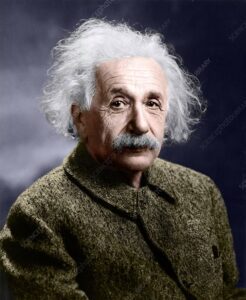
Albert Einstein, Theoretical Physicist.
While there is no official statement, Einstein was widely believed to have dyslexia as he struggled with language and reading. He found traditional schooling difficult and could not keep up with the demands of rote learning. However, he had an incredible capacity to visualise complex ideas and would have a strong resilient attitude towards failure.
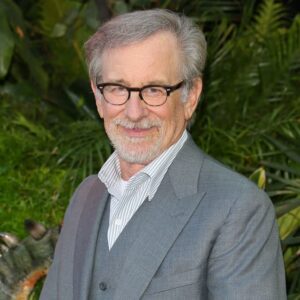
Steven Spielberg, Film Director.
Spielberg was reportedly diagnosed with dyslexia later in life and struggled with reading and bullying at school. He harnessed his exceptional strengths in visual storytelling and film making.

Richard Branson, Entrepreneur.
Founder of Virgin Group has spoken openly about his dyslexia diagnosis. He found school hard and struggled with exams. His great success lies in his ability to focus on big ideas and have clear verbal communication. He was reported to say “My dyslexia has given me a massive advantage in life. It has helped me think creatively and laterally, and to simplify things, which has been a huge asset when building our Virgin business”
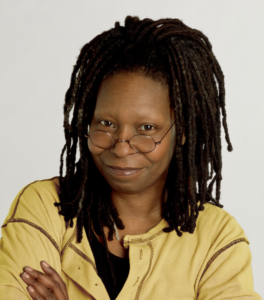
Whoopi Goldberg, Actor and host.
The EGOT winner struggled with school and was often labelled as inattentive or lazy. Her strong verbal skills, humour, and storytelling made her shine across her peers. She was reported saying “I think perhaps it made me more introspective. Made me more thoughtful, maybe slightly slower in how I do things because it takes me a minute sometimes to figure things out”.

Jamie Oliver, Chef.
The world-renowned chef spoke openly about finding reading and writing challenging. He spoke about preferring hands on learning and visual instructions.
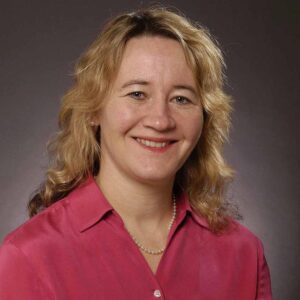
Carol Greider, Molecular Biologist.
The Nobel Laureate spoke openly about being dyslexic and struggled academically in early years. Her career is a reminder that dyslexia does not limit intellectual capacity or scientific achievement.
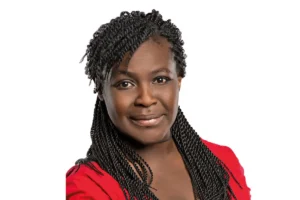
Maggie Aderin-Pocock, Space Scientist & Science Communicator.
She openly spoke about struggling with early education and being diagnosed with dyslexia. Her curiosity and problem-solving skills allowed to be a pioneer work in satellite instrumentation and mechanical engineering.
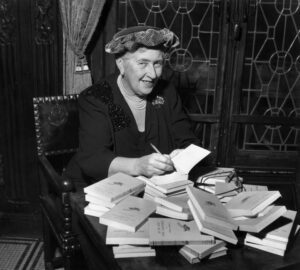
Agatha Christie, Author.
While Agatha was not formally diagnosed with dyslexia, she was reported to struggle with spellings throughout her life and often dictated her novels, rather than running them by hand. She was reported feeling anxious and self-conscious about her written work in early years.
These famous people are pioneers in STEM, arts, and education. They too started their journey in difficult classrooms where they were misunderstood and fought against the stigma that came their way.
Strengths Commonly Seen in People With Dyslexia
While people with dyslexia struggle with written language, they can be incredibly bright with other domains of the brain i.e. creativity, out-of-the-box thinking, visual spatial recognition, emotional intelligence, etc.
Conclusion
The global estimates for prevalence rates are 10 to 15% of the population with 3 to 5% having severe dyslexia impacting academic outcomes. Therefore, a classroom of 30 would have 3-5 children with dyslexia. There is an incredible amount of resilience in each classroom and an opportunity to develop capacity for each individual. The right diagnosis can really help shape the trajectory of a student’s life and give them access to support sooner. The right diagnosis needs to be comprehensive, evidence-based, and strengths-focused.
A specialist child psychologist can work alongside families to identify these differences early and provide the right support at the right time. professional dyslexia assessment can provide clarity, support, and a tailored learning plan. Book an assessment today to help unlock their full potential.
Frequently Asked Questions