Depression: Understanding Symptoms, Causes & Treatment Options
This article has been researched and written by Mariam. AI has not been used in producing this article.
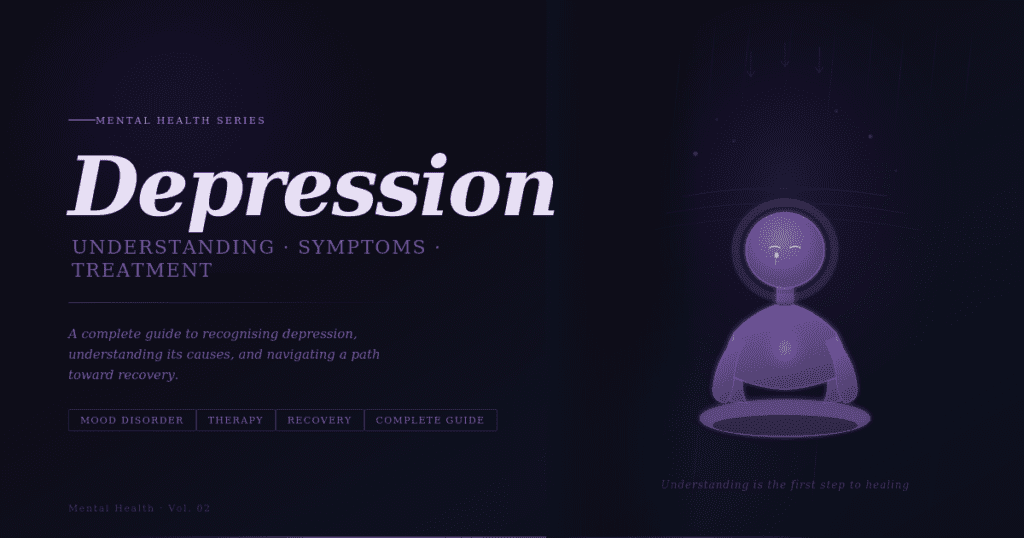
Depression is a clinical mood disorder causing persistent low mood, loss of interest, and emotional exhaustion — lasting weeks or months regardless of external circumstances. You keep showing up: going to work, attending dinners, replying to messages. But inside, something feels deeply wrong. Many people in Dubai carry these signs of depressionfor months or years, dismissing them as stress or burnout. Research shows depressionprevalence in the UAE ranges from 12.5% to 28.6% in certain population groups. It is far more common — and far more treatable — than most people realize.
What Is Depression?
Depression is not sadness. It is a recognised medical condition — as real as diabetes or a broken bone — in which neurological and chemical changes in the brain impair mood, energy, thinking, and physical health. A clinical diagnosis requires depression symptomsto persist for at least two weeks and to significantly impair daily functioning. Depressiondoes not require a visible cause or reason: many of the most outwardly successful people in Dubai are quietly struggling. Recognizing this early is what makesdepression treatment in Dubaipossible — and effective.
Depression Symptoms: Emotional, Physical & Behavioural
Depression symptoms span three dimensions of experience. Many people recognize the emotional signs but are surprised by how physically and behaviorally the condition also manifests.
Emotional Signs of Depression
- Persistent low mood, sadness, or emotional emptiness
- Loss of interest or pleasure in activities once enjoyed (anhedonia)
- Hopelessness — a deep belief that things will never improve
- Persistent guilt, shame, or feelings of worthlessness
- Irritability, frustration, and low tolerance for everyday demands
- Feeling detached or estranged from yourself and others
Physical Depression Symptoms
- Persistent fatigue and low energy, even after a full night’s sleep
- Changes in appetite — eating significantly more or less than usual
- Unexplained physical aches, headaches, or digestive problems
- Disrupted sleep — insomnia or sleeping excessively
- Significant and unintended weight change
Behavioural Signs of Depression
- Withdrawing from family, friends, and social activities
- Neglecting responsibilities at work or at home
- Reduced productivity and persistent difficulty concentrating
- Increased use of alcohol or substances to manage feelings
One of the most overlooked depression symptoms is high-functioning depression — where a person appears productive and socially engaged while suffering internally. In Dubai’s performance-driven culture, these signs of depression go unaddressed for years, because the person simply looks too capable to be struggling.
Types of Depression: Major, Persistent, Postpartum & High-Functioning
Depression takes several recognized clinical forms:
- Major Depressive Disorder: The most diagnosed form — severe depression symptoms lasting at least two weeks that significantly impair daily functioning.
- Persistent Depressive Disorder (Dysthymia): A lower-grade but chronic form lasting two years or longer. Often dismissed as simply “being a negative person.”
- Postpartum Depression: Affects approximately 1 in 7 new mothers. Distinct from baby blues, it involves severe symptoms requiring professional support — not willpower.
- High-Functioning Depression: The person continues working and socialising while suffering internally. Especially prevalent in Dubai’s high-performance culture.
Causes of Depression in Dubai
Depression arises from a combination of biological, psychological, and environmental factors. In Dubai, several patterns emerge frequently:
- Expat isolation: Living far from family and long-term support networks is one of the strongest risk factors. Dubai’s social culture can feel simultaneously crowded and deeply lonely.
- Work pressure and performance culture: The expectation to be visibly successful leaves little room to acknowledge emotional difficulty.
- Life transitions: Relocation, divorce, bereavement, or job loss are among the most common depression triggers.
- Genetics and neurobiology: A family history significantly increases risk, as do imbalances in serotonin and dopamine.
- Unresolved trauma: Childhood adverse experiences are a major, often unrecognised driver of adult depression. An anxiety therapist in Dubai with trauma specialisation can help assess the underlying cause.
Depression Treatment Options in Dubai
Depression responds very well to treatment — most people make a full and lasting recovery. Effective depression treatment in Dubai includes:
- EMDR therapy: Particularly effective when depression is rooted in past trauma. Processes unresolved memories that are silently driving emotional shutdown.
- Cognitive Behavioural Therapy (CBT): Another depression treatment that teaches clients how to identify and systematically replace the negative thought patterns sustaining low mood.
- Medication (SSRIs/SNRIs): Restores neurochemical balance. Most effective when combined with therapy rather than used alone.
- Lifestyle interventions: Regular aerobic exercise, structured sleep, reduced alcohol, and maintained social connection are powerful complementary supports for depression treatment.
At ClearMinds Center, personalised depression treatment programmes combine evidence-based therapy with compassionate, confidential care tailored to each individual.
You Do Not Have to Feel This Way
If you recognize yourself in this article, please know — you do not have to feel this way. Depression is not a personal failing. It is a medical condition, and it is treatable. ClearMinds Center‘s experienced therapists provide confidential, evidence-based care in Dubai. Book your consultation today and take the first step back toward yourself.
If you or someone you know is in crisis, the UAE mental health helpline is available 24/7: 800-HOPE (800-4673).
Call us: +971 4 457 4240| Book a Depression Consultation atClearMinds Centertoday.
What is the difference between feeling sad and having depression?
Sadness is a normal human emotion — it comes and goes in response to difficult events and typically fades with time. Depression is fundamentally different: it is a clinical mood disorder that persists for two weeks or longer, is often not linked to a specific trigger, and significantly impairs daily functioning. Key signs of depression that distinguish it from ordinary sadness include: loss of interest or pleasure in activities you used to enjoy (anhedonia), persistent fatigue, changes in appetite and sleep, difficulty concentrating, feelings of worthlessness or hopelessness, and in severe cases, thoughts of death or self-harm. Unlike sadness, depression does not simply pass with time — it requires proper recognition and, in most cases, professional depression treatment in Dubai.
What are the most common depression symptoms in adults?
Depression symptoms can be emotional, physical, and behavioural. Emotional signs of depression include persistent low mood, feeling empty or hopeless, loss of interest in activities previously enjoyed, irritability, and feelings of guilt or worthlessness. Physical depression symptoms include chronic fatigue, unexplained aches, changes in appetite, significant weight change, and disrupted sleep. Behavioural symptoms include withdrawing from relationships, neglecting responsibilities, and reduced work performance. A critical but often overlooked pattern is high-functioning depression — where a person appears fine on the outside while suffering intensely inside. This is especially common in Dubai’s high-performance culture.
What depression treatment options are available in Dubai?
Depression is highly treatable and most people make a full recovery. The most effective depression treatment approaches include insight oriented therapies, Cognitive Behavioural Therapy (CBT); EMDR therapy; and medication (SSRIs), most effective when combined with therapy. Lifestyle changes — exercise, structured sleep, and social connection — are powerful complementary tools. At ClearMinds Center, personalised programmes are tailored to each individual with full confidentiality. Early treatment leads to faster and more complete recovery.
ADHD vs ADD: What’s the Difference? [2026 Updated Guide]
This article has been researched and written by Mariam. AI has not been used in producing this article. ADHD — Attention-Deficit/Hyperactivity Disorder — is the only official clinical diagnosis. ADD is not a separate condition: it is simply an older term that was retired in 1987. If you or your child has been labelled with…
PTSD: Symptoms, Causes & Recovery – Complete Guide
This article has been researched and written by Mariam. AI has not been used in producing this article. PTSD — Post-Traumatic Stress Disorder — is a serious mental health condition triggered by experiencing or witnessing a traumatic event. It causes persistent flashbacks, nightmares, emotional numbness, and hypervigilance that can severely disrupt daily life. If you…

Anxiety Disorders Explained: Types, Symptoms & When to Seek Help
This article has been researched and written by Mariam. AI has not been used in producing this article. Worry is part of being human. But when anxiety stops being a passing feeling and starts shaping every decision you make – what you avoid, how you sleep, how you show up at work and in relationships…
ADHD in Adults: Complete Guide to Symptoms, Diagnosis & Treatment in Dubai
This article has been researched and written by Mariam. AI has not been used in producing this article. For many adults living in Dubai, the struggle is familiar: missed deadlines, a desk that never stays organized, conversations you tuned out halfway through, and an inner voice that has spent decades whispering that you are simply…
Mental Health During Ramadan: 7 Tips for Emotional Wellbeing
This article has been researched and written by Mariam. AI has not been used in producing this article. Ramadan is a month of deep spiritual renewal, gratitude, and community. But for many Muslim residents and expats across Dubai and the UAE, it can also bring unexpected emotional challenges. Sleep disruption, fatigue, heightened anxiety during Ramadan,…
Famous People with Dyslexia
Representation matters especially when there is a stigma around dyslexia and learning disabilities in general …
