What Can I Do If Someone Is Bullying Me at School?
This article has been researched and written by Hacer Subasi. AI has not been used in producing this article.
If someone keeps being mean to you, teasing you, hurting you, or leaving you out on purpose, this is called bullying. Bullying can happen at school, on the playground, or even online. And there is one very important thing you should always remember: Bullying is never your fault.
This Is Not About You
When someone bullies you, you might start wondering if there is something wrong with you. You may think, “Why me?” or “Did I do something bad?” The answer is clear: no. People who bully are making a poor choice. What is happening is about their behavior, not your worth. You do not deserve to be treated badly — not by anyone, ever.
Using Your Strong Voice and Brave Body
If you feel safe enough in the moment, your body and your voice can help protect you. Standing tall, looking calm, and using a short, clear sentence like “Stop, ” “I don’t like that, ” or “Leave me alone ” can be very powerful.
You do not need to explain yourself.
You do not need to argue.
After speaking, walking away is often the strongest choice you can make.
Staying Where You Are Not Alone
Bullying happens more easily when a child is alone. Staying close to others can make a big difference. Spending time with at least one friend during breaks or choosing places where adults are nearby can help you feel safer. Sometimes, even one kind friend is enough to remind you that you are not alone.
Telling an Adult Is a Brave Choice
Some children worry that telling an adult means “ snitching.” It does not. Telling an adult means you are taking care of yourself. You can talk to a teacher, a school counselor or psychologist, a parent, or another trusted adult. Adults are there to help keep you safe, and they want to know when something is wrong.
Listening to Your Body
Sometimes children do not talk about bullying right away, but their bodies do. Your body might tell the story before your mouth does.
If you notice stomachaches or headaches, trouble sleeping, feeling scared or sad about school, or not wanting to go to school anymore, these can be signs that you need support. And support is something you deserve.
When Bullying Happens Online
Bullying does not always happen face to face. If someone is mean to you online, remember that you do not have to handle it by yourself. It helps not to reply to hurtful messages. Saving messages or screenshots, blocking the person, and showing everything to a trusted adult are important ways to protect yourself.
Remembering Your Strength
Bullying can sometimes make you forget how strong you really are. Doing things you enjoy — like sports, drawing, music, building, or dancing — helps you feel like yourself again. These moments remind you that you are more than what one person says or does.
A Message Just for You
You deserve to feel safe at school.
You deserve kindness and respect.
You are not alone, and help is always available.
If you or your child is struggling with bullying or its emotional impact, a professional child psychologist can provide guidance and support—contact us today to get help.


Anxiety Disorders Explained: Types, Symptoms & When to Seek Help
This article has been researched and written by Mariam. AI has not been used in producing this article. Worry is part of being human. But when anxiety stops being a passing feeling and starts shaping every decision you make – what you avoid, how you sleep, how you show up at work and in relationships…

ADHD in Adults: Complete Guide to Symptoms, Diagnosis & Treatment in Dubai
This article has been researched and written by Mariam. AI has not been used in producing this article. For many adults living in Dubai, the struggle is familiar: missed deadlines, a desk that never stays organized, conversations you tuned out halfway through, and an inner voice that has spent decades whispering that you are simply…
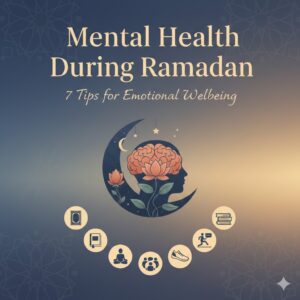
Mental Health During Ramadan: 7 Tips for Emotional Wellbeing
This article has been researched and written by Mariam. AI has not been used in producing this article. Ramadan is a month of deep spiritual renewal, gratitude, and community. But for many Muslim residents and expats across Dubai and the UAE, it can also bring unexpected emotional challenges. Sleep disruption, fatigue, heightened anxiety during Ramadan,…
Famous People with Dyslexia
Representation matters especially when there is a stigma around dyslexia and learning disabilities in general …

Third Culture Kids: Growing Strong Roots in a Mobile World
In a city like Dubai, it is not unusual to meet a child who has already lived in three countries, attended four different …

Micro-Recovery: TraumaInformed Coping Tools Adults Can Use in Daily Life
Our nervous system is under constant pressure and stimulation. When you add the layer of …
