

Dyslexia Assessment
What is Dyslexia?
Dyslexia is a specific learning difference that affects how the brain processes written language. A child or adult with dyslexia could struggle with reading accuracy, reading fluency, spelling, and writing. It isn’t because the child or adult is not trying hard enough or is not intelligent; it is a neurologically linked learning difficulty. In order to decide if dyslexia testing is necessary, being aware of the symptoms is helpful.
Sometimes, learning difficulties overlap, so a full evaluation may also include a Dysgraphia Assessment for handwriting and written expression challenges or a Dyscalculia Assessment to identify difficulties with numbers and math.
Common Signs and Symptoms of Dyslexia
In Children:
- Frequent spelling mistakes or inconsistent spelling
- Trouble reading or even sounding out unfamiliar words
- Avoiding reading or writing
- Even if sentences or paragraphs are read, comprehension is poor.
- Difficulty learning letter–sound relationships (phonics)
- Slow or effortful reading despite practicing
- Challenges remembering sequences (days, months, steps)
In Adolescents and Adults:
- Spelling difficulties that persist into adulthood
- Trouble with note-taking, writing, or organizing ideas
- Avoidance of reading aloud or writing tasks
- Slow reading speed or fatigue when reading
- Difficulty summarizing or recalling what was read
- Strengths in verbal reasoning, creativity, or hands-on learning
If children show the above signs, an early assessment for dyslexia can make a huge impact on their experience at school and in life. Targeted support can help academic performance, reduce frustration, and build resilience.
A dyslexia assessment for adults is also possible and beneficial. It is never not too late. Adults can also be assessed to understand the reasons for their difficulties in reading or reading comprehension difficulties.
Why Assessment Matters
Once a child or adult has completed a dyslexia evaluation, there is clarity over how the brain processes language, reads, spells, and remembers information. This can inform intervention and guide tailored learning strategies.
Our Dyslexia Evaluation Process
The process is not very different between adults and children. Our dyslexia evaluation process is clear, supportive, and usually completed over 3–5 hours across two or three sessions, followed by a feedback meeting.
Initial Consultation: We begin by gathering background information, learning history, and current concerns about the child or adult in question.
Skill Evaluation: Cognitive, language, and reading skills (decoding, fluency, spelling) are assessed using standardized tools (WISC-V, WIAT-III, CTOPP)
Observation: We note how the child or adult approaches tasks, uses strategies, and manages difficulties.
Analysis: Once the testing is completed, all results are interpreted by the psychologist to determine whether dyslexia or another learning issue is present.
Recommendations: You will receive a detailed and personalized report based on the assessment results and clear intervention plan with strategies and school accommodations.
Who Can Benefit
Children from early primary school onwards and adults can benefit from a thorough assessment for dyslexia in Dubai if they struggle with reading, spelling, or written expression. Schools and teachers can also benefit from the assessment report to guide the accommodations, targeted interventions, and appropriate learning supports they implement for the student.
Contact a member of our team at +971-58-557-6220 to schedule an appointment. You can also email us at info@clearmindscenter.com or drop us a line through our online contact form.
Frequently Asked Questions
A dyslexia assessment uses interviews, standardized testing, and observations to evaluate reading, spelling, phonological processing, memory, and language skills to determine whether dyslexia is present.
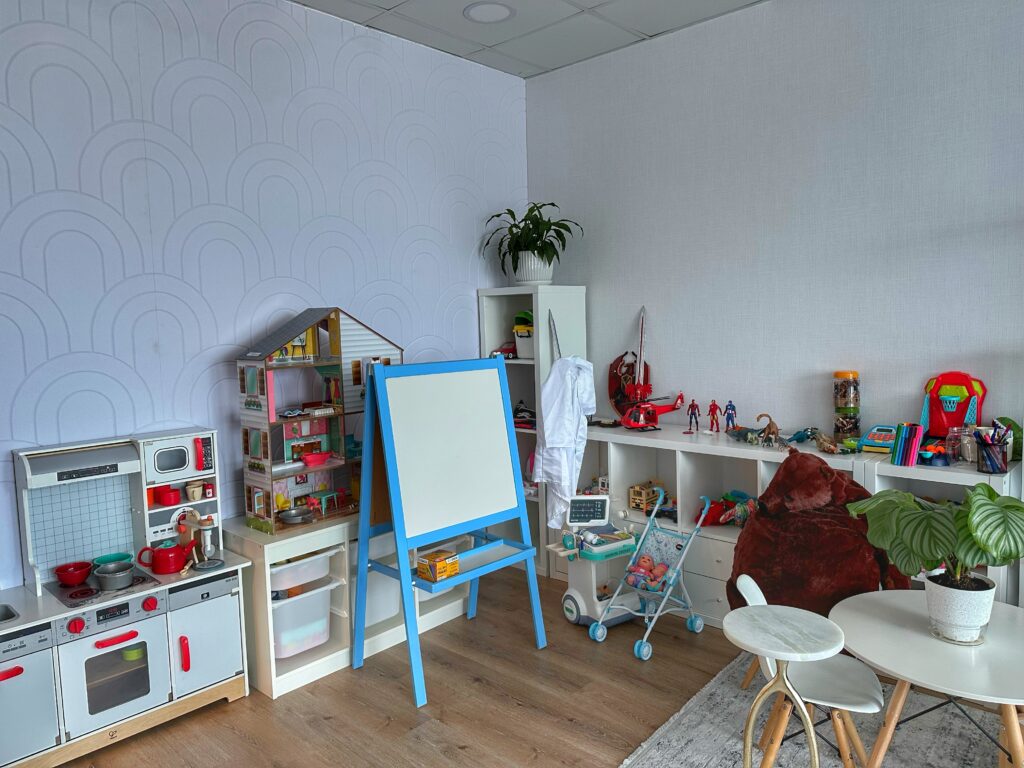
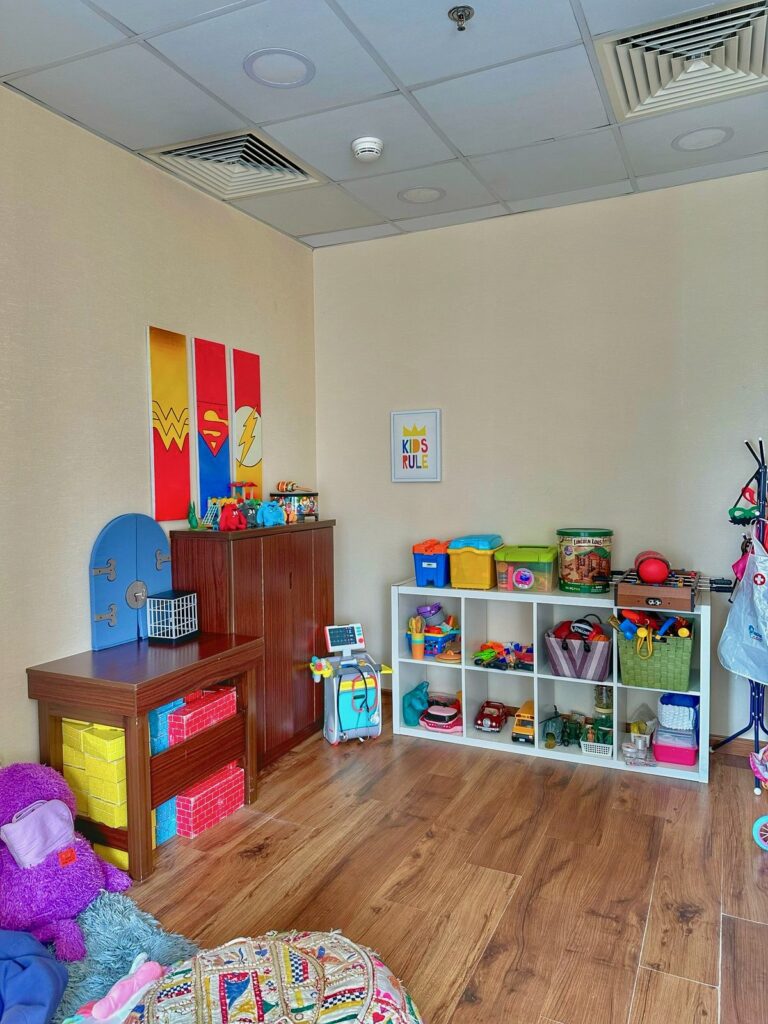
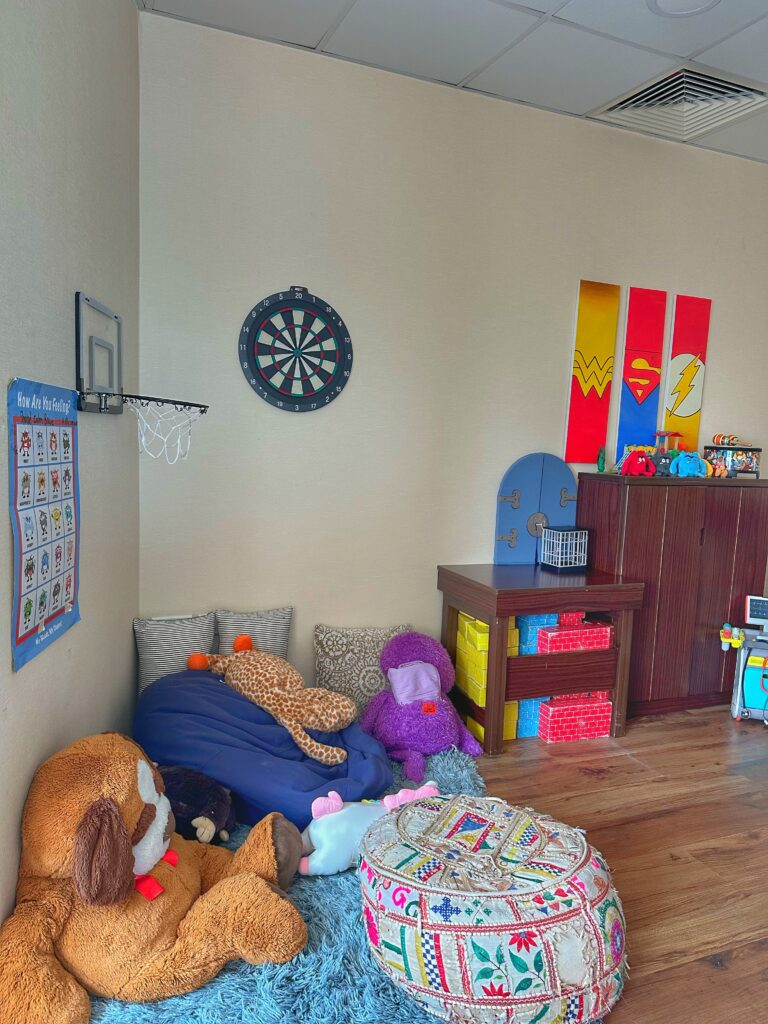
Our Safe Space