A Safe Space for Big Feelings
This article has been researched and written by Moni El Ramlawy. AI has not been used in producing this article.
It’s back to school season. Children and parents alike are navigating more stress – school demands, work pressures, and family responsibilities. When emotions run high, it becomes difficult to channel this energy. This can create a stressful home environment. As adults, stress can look like irritability, withdrawal, or overreacting. For children, it can show up through meltdowns and tantrums.
To regain our sense of calm, what we often need is safety and comfort. This can mean a space (a calm corner) to retreat and come back when we are ready. Creating a calm corner in your home is a space for adults and children to step away and selfsoothe. This corner is not about punishment, and it’s not a “timeout”. It’s a space to pause and regulate.
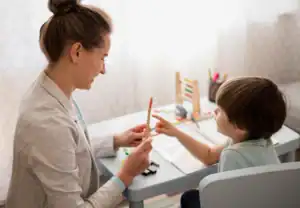
A stressful home environment can feel overwhelming — child therapy offers tools to restore balance and strengthen emotional connection.
A calm corner doesn’t require much space. It just needs to feel safe and comforting.
How to Create a Calm Corner at Home:
1. Choose the spot: Ideally, choose a quiet corner away from distractions.
2. Make it cozy & comforting: Add cushions and a soft blanket to make the space inviting. Comfort helps the body feel safe.
3. Add fidget tools: Items like stress balls or squishy toys help with restless hands while calming down.
4. Add books: Picture books, breathing tips, or short stories can help shift focus.
5. Soothing extras: Consider adding calming music, or a soft lamp to set a peaceful atmosphere.
It’s important to remind ourselves that people do better when they feel better. Calm spaces help us cool off and feel better.
Extra Pointers:
- Create it together and MAKE IT FUN! Make it a weekend activity.
- Brainstorm how you would like it to look like and what colors you want to add.
- Encourage children to personalize the space with their favorite stuffed animal or drawings – it gives them ownership and makes the corner a positive resource, not a “time-out.”
- Let your children give it a special and playful name.
- A calm corner works best when introduced in a positive way, and not when your child is already in the heat of the moment.
- After it has already been introduced, when they are upset, ask “Would it help to go to your __________ place?”
- Model using the calm corner when you are upset. When children observe their parents using it, it teaches them that it’s a healthy coping strategy, and not a punishment. Modeling the behavior means encouraging it rather than enforcing it.
If you would like to share photos of your calm corners with us, we’d love to see them! Please feel free to send them via WhatsApp or email, or even if you’d like to post it on social media and tag us – go for it!
Every family needs a corner where it’s okay to fall apart and still be loved. If that space doesn’t exist yet, maybe today is the day to start creating it.

Child Therapist in Dubai: When Your Child Needs Professional Help
This article has been researched and written by Mariam. AI has not been used in producing this article. A child therapist in Dubai is a licensed psychologist or counsellor who specialises in supporting children’s emotional, behavioural, and developmental needs. Seeking help for your child is not a sign of failure as a parent — it…

What Is Anxiety? Causes, Symptoms & Treatment in Dubai
This article has been researched and written by Mariam. AI has not been used in producing this article. Anxiety is the mind and body’s natural response to perceived threat or uncertainty. At manageable levels, it is protective — it sharpens focus and prepares us for challenges. When anxiety becomes persistent, disproportionate, or difficult to control,…

55+ Relationship Questions Every Couple Should Ask to Deepen Their Connection
This article has been researched and written by Mariam. AI has not been used in producing this article. Questions for couples are one of the simplest and most effective ways to deepen intimacy, rebuild connection, and understand each other more fully. Whether you are newly together or have been partnered for years, meaningful conversation is…

Behaviour Therapy in Dubai — For Children & Adults
This article has been researched and written by Mariam. AI has not been used in producing this article. Behaviour therapy in Dubai is a structured form of psychological treatment focused on changing specific patterns of thinking and behaviour that are causing distress or difficulty. It is evidence-based, practical, and effective for a wide range of…

Pediatric Psychologist in Dubai — Child Development & Assessment
This article has been researched and written by Mariam. AI has not been used in producing this article. A pediatric psychologist in Dubai is a licensed clinical psychologist who specialises in the psychological assessment, development, and treatment of children and adolescents. They work with a broad range of childhood difficulties — from behavioural and emotional…

Play Therapy in Dubai — Finding the Right Support for Your Child
This article has been researched and written by Mariam. AI has not been used in producing this article. Play therapy in Dubai is a structured, evidence-based form of psychological therapy in which a trained therapist uses play as the primary medium for communication and healing. For children who do not yet have the language to…
